


IMPORTANT REMINDER: Water Safety Guidance During Hot Weather Spell
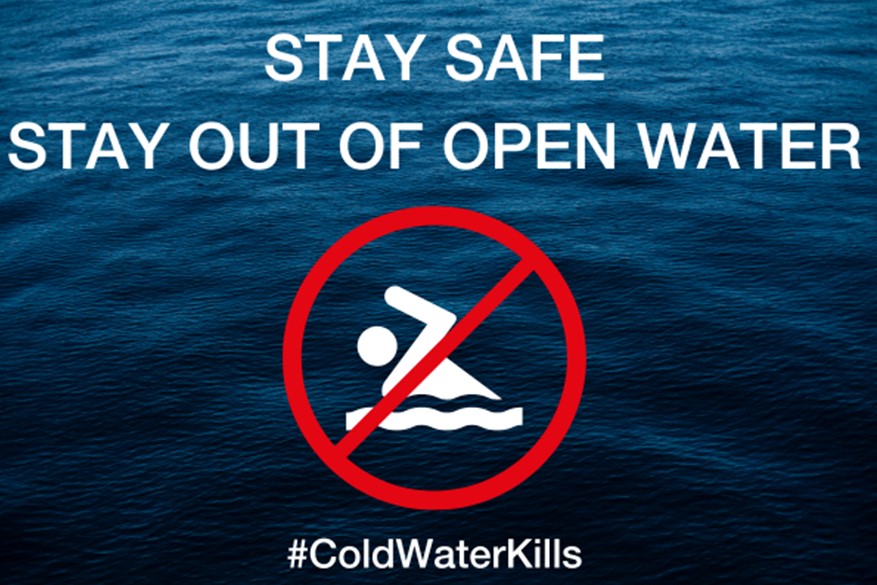
During this current heat wave and the warmer summer months , WSCP would like to remind everyone of the dangers around open water. As temperatures rise, children, young people, and families are likely to spend more time outdoors, so it’s important to raise awareness of the risks.
For more information, please visit:
Key Water Safety Guidance (for CYP, families, and practitioners):
- Cold Water Shock: Sudden immersion in open water—even in warm weather—can cause an involuntary gasp, rapid breathing, and heart strain. This is one of the biggest risks for strong and weak swimmers alike.
- Hidden Hazards: Open water often contains unseen dangers such as strong currents, weeds, sudden drop-offs, and debris. These hazards can trap or disorient swimmers.
- Supervision Near Water: Children and young people should be closely supervised around rivers, lakes, reservoirs, canals, and even garden ponds. Drowning can be silent and fast.
- Jumping Into Water: Jumping or diving into unknown water can lead to serious injury due to submerged objects or shallow areas.
- Inflatables Warning: Inflatables can easily be swept away by wind or currents. They are safest in supervised pools, not open water.
What To Do in an Emergency: If someone is in trouble:
- Call 999 and ask for the Coastguard (coastal) or Fire & Rescue (inland)
- Use the “Reach or Throw, Don’t Go” principle
- Keep eyes on the person and guide emergency services to the location
There is a big new campaign by Respect The water which is Phone. Float. Throw. – more info linked below:
Phone Float Throw – Respect The Water
Phone Float Throw | National Water Safety Forum
Your support in promoting these safety messages is greatly appreciated.
Be Water Wise
Please watch and share this short video, created by Wakefield Council and partners. It shows a child jumping into the water due to peer pressure from friends, highlighting how something that may seem fun in hot weather can quickly become dangerous and should be avoided
Why is water safety so important?
Data published by the National Child Mortality Database (NCMD) shows that in the year ending 31 March 2025, 31 child drowning deaths (ages 0–17) were reported to Child Death Overview Panels in England (Figure 1). While this is 9 fewer deaths than the previous year, it still represents a rate of 2.63 per 1,000,000 children—highlighting that preventable risks remain.
ver the six-year period from 1 April 2019 to 31 March 2025, there were 196 child drowning deaths in total, equating to an estimated annual rate of 2.77 per 1,000,000 children. These figures reinforce the ongoing need for vigilance around water safety.
One child drowning is one too many. By prioritising safety awareness and consistently sharing clear, age-appropriate water safety messages, we can help children better understand risks and take steps to stay safe around water.

